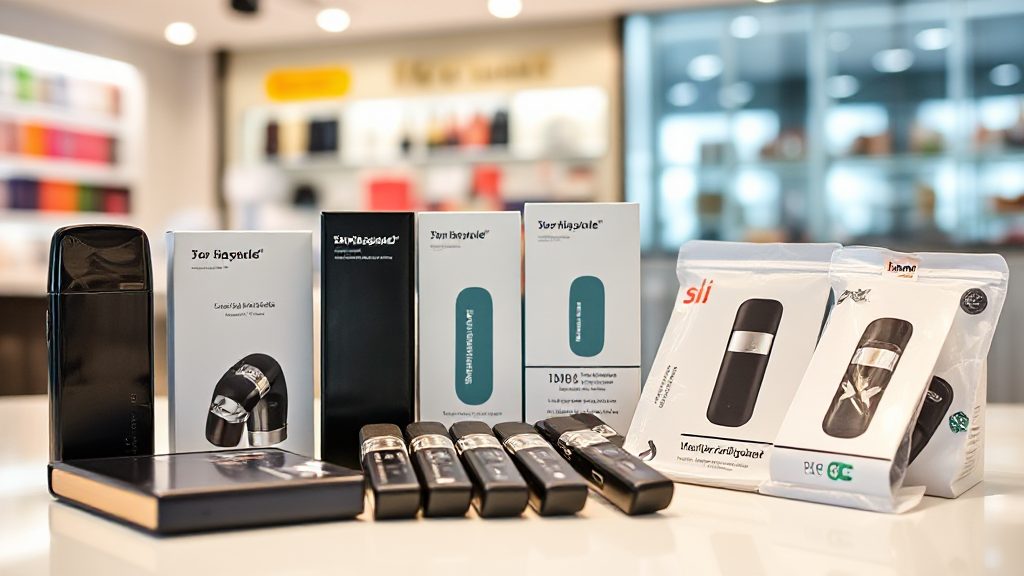
Pods and Disposables: What a Singapore Vape Shop Should Stock
Pod systems are refillable or replaceable-cartridge devices that pair a battery with a pod containing e-liquid, while disposables are pre-filled, pre-charged units discarded once the liquid or battery runs out. That single distinction shapes everything downstream: how a shop buys, how it stores, how it delivers, and what customers expect when they order. For anyone managing lana vape delivery, the format mix is not a side detail — it is the core of the product strategy.
Why the Pod-versus-Disposable Split Matters for a Vape Supplier
At first glance, both formats deliver nicotine-laden vapour from a small handheld device. The difference is in the lifecycle. A pod device is a platform: the customer buys hardware once, then returns for pods, coils, or replacement cartridges. A disposable is a consumable from the first puff to the last — one purchase, one product, no follow-on sale.
That lifecycle difference changes inventory risk. Pod hardware ties up capital in a durable good that may sit on the shelf, while pods move steadily and predictably. Disposables are the opposite: they sell fast and in volume, but every unit is a one-time transaction, so demand forecasting becomes a weekly discipline rather than a quarterly one. A vape supplier singapore that ignores this distinction ends up either overstocked on hardware or understocked on the flavours customers actually reorder.
There is also a compliance and logistics dimension. Pods and disposables differ in packaging, battery classification, and shelf life. A shop that treats them as interchangeable in its delivery workflow will eventually run into fulfilment errors — wrong item dispatched, wrong pod resistance sent, or a disposable shipped past its prime.
Pod Systems: What They Demand of a Shop
Pod systems reward a supplier who understands compatibility. A customer who buys a device expects the correct pod family to be available, in the right resistance, and in the flavours they already trust. Stocking a device without its matching pods is a guaranteed return request.
Compatibility and the accessory tail
Every pod platform carries an accessory tail: replacement pods, occasional coils, charging cables, and sometimes a spare device body. The tail is where repeat revenue lives. A shop that stocks only the device and not the consumables forces customers to look elsewhere for the basics, and those customers rarely come back for the hardware.
Hardware durability and support
Pod devices are durable goods, which means the shop inherits a support relationship. Buyers ask about charging behaviour, pod seating, and expected pod life. A supplier who can answer those questions quickly — and who keeps a small buffer of replacement units for genuine defects — builds trust that a pure disposable seller never earns.
Storage and handling
Pods contain liquid and a battery, so storage matters. Heat and direct sunlight degrade e-liquid and stress cells. A supplier should keep pod stock in a cool, stable area and rotate older batches forward. This is unglamorous work, but it is the difference between a pod that tastes right on arrival and one that arrives muted.
For same-day fulfilment, pod orders are usually smaller and more specific: one device, two pod packs, a particular flavour. That means picking accuracy matters more than raw speed. A SG Vape same day delivery operation that double-checks pod resistance and flavour before dispatch avoids the most common complaint in this category.
Disposables: The Retail Logic of a One-Time Purchase
Disposables are the impulse category. They are simple to use, require no maintenance, and appeal to buyers who want a device without a learning curve. That simplicity is exactly why they sell — and exactly why they are competitive. A shop’s disposable range is judged on flavour breadth, freshness, and availability, not on technical support.
Flavour range as the primary lever
Disposable buyers shop by flavour first. A narrow range loses the customer to a competitor with a broader shelf. A Sg vape disposable range should cover the mainstream profiles — fruit, menthol, dessert, beverage — with enough depth that a returning customer can find a variation rather than the same SKU every time.
Freshness and batch control
Disposables have a finite shelf life, and a device that has been sitting for months may underperform. Batch rotation is not optional. Suppliers should track incoming dates and move older stock first, because a customer who receives a weak disposable does not blame the batch — they blame the shop.
Volume forecasting
Because every disposable sale is a one-time event, demand is driven by repeat visits and word of mouth rather than by accessory attachment. That makes weekly sell-through data more valuable than quarterly purchase orders. A shop that reviews its top and bottom flavours every week can trim dead stock and double down on what moves.
Disposables also dominate delivery volume. They are light, compact, and easy to pack, which makes them the natural backbone of a Singapore vape delivery service. The operational risk is not weight but accuracy: sending the wrong flavour is the most common fulfilment error in this category, and it is entirely preventable with a simple pick-and-verify step.
Balancing the Two Formats Without Overcommitting
The right mix depends on the customer base, but the principle is consistent: pods build loyalty, disposables build volume. A shop that leans entirely on disposables has fast turnover but no retention mechanism. A shop that leans entirely on pods has loyal customers but slow cash conversion and a heavy hardware commitment.
| Factor | Pod systems | Disposables |
|---|---|---|
| Purchase pattern | Repeat consumable sales | One-time, frequent repurchase |
| Inventory risk | Hardware sits; pods move | Perishable shelf life |
| Support burden | Compatibility and device questions | Minimal, flavour-led |
| Delivery profile | Small, specific orders | High-volume, light parcels |
A practical balance is to anchor the range with a small number of proven pod platforms and their consumables, then use disposables to fill the flavour and impulse gap. This keeps capital from piling up in hardware while still giving walk-in and delivery customers a reason to return.
Delivery workflow differences
Pod orders require verification of compatibility; disposable orders require verification of flavour and batch. Both benefit from a same-day option, because urgency is a major reason customers choose a local shop over a slower alternative. A sg vape delivery promise is only credible if the stock is actually on hand and the picking process is reliable.
Cash flow and reorder rhythm
Pods generate a predictable reorder rhythm once a customer adopts a device. Disposables generate a faster but less certain rhythm tied to flavour preference. A supplier should map both rhythms onto its purchasing calendar so that pod restocks are planned and disposable restocks are responsive. Mixing the two without separate tracking is how shops end up with a shelf full of the wrong thing.
Cash-on-delivery adds another layer. When payment happens at the door, a failed delivery is a direct loss of the sale and the trip. That makes address confirmation and a clear delivery window essential, especially for disposable-heavy orders where the customer may have chosen a flavour on impulse.
How Buyers Signal Their Format Preference
Customers tell a shop which format they want through their questions and their order patterns. A buyer who asks about pod resistance, device charging, or replacement cartridges is a pod customer. A buyer who asks about flavour availability, puff count, or what is new is a disposable customer. These signals are more useful than any demographic assumption.
Over time, the pattern becomes a stocking signal. If pod customers keep asking for a platform the shop does not carry, that is a gap worth filling. If disposable buyers keep requesting flavours outside the current range, that is a range decision. A shop that listens to these signals can adjust its mix without guessing.
For a brand-led operation such as sg vape lana, the same logic applies at the product level: keep the pod ecosystem coherent and the disposable range fresh. The format mix is not a one-time decision — it is a continuous read of what customers ask for and what they reorder. Stock what people come back for, and the delivery side takes care of itself.